Reincarnation Trap?
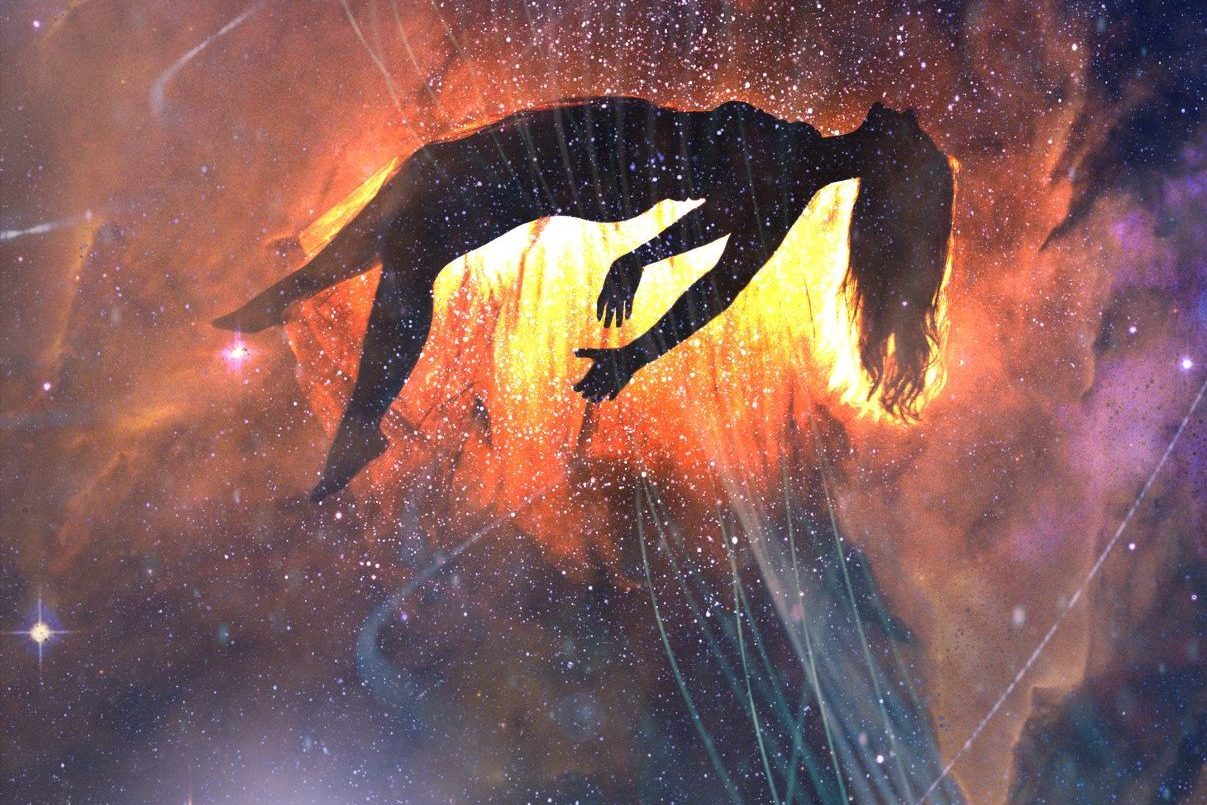
Have you ever thought that what you know about death might not be the whole story?
Maybe there’s more to the afterlife than we’re told. What if death doesn’t free you, but brings you back again? Most people never question this. They follow the path they’re told leads to freedom, but maybe that’s the oldest trap of all. The Gnostics began asking these questions long ago.
The Gnostics believed the world was not made by a loving god, but by an impostor called the demiurge. They said this created an endless cycle of birth and death, a loop of reincarnation that keeps souls returning here.
But here’s the real question: if the afterlife is a trap, what really happens when you die? And more importantly, how could you escape? You won’t find these ideas in a sermon or a self-help book. This isn’t the usual comforting story. These teachings were hidden, called heresy, and kept secret. If too many people remembered them, the prison would start to break down.
Gnostics saw death not as a way to freedom, but as a moment when the soul could be caught and sent back. They believed reincarnation is not a path to spiritual growth, but the trap itself. They also taught how to notice the signs that you’re being pulled back in. Most people never hear this. Most keep moving toward the light, not knowing who created it or why. Maybe the demiurge’s prison exists not only in this world, but beyond it too.
Some say Sophia’s influence goes beyond death, creating a hall of mirrors that tricks souls into coming back, living life after life. What if death is not an end or a beginning, but the biggest illusion of all? The ideas you’ll read next could change how you see death and might even help you escape a prison that has trapped people for ages. Long before modern religions, ancient people spoke of hidden worlds, rival gods, and secret knowledge. The Gnostics gave a special warning in these stories.
In the caves of Nag Hammadi, Egypt, texts were hidden until 1945 that challenged what priests and rulers taught. These Gnostic writings said, “The world you see around you is not the true creation of the real God.” The Gnostics described a higher, endless realm called the Pleroma, where pure light and consciousness exist. From this fullness came Sophia, a symbol of divine wisdom. But when she tried to create on her own, out of curiosity and desire, she brought forth a flawed being, the demiurge. The demiurge, unaware of the higher realms, claimed to be the only god. He shaped matter into a vast prison, filling it with archons, cosmic wardens who control the planets, stars, and human lives.
This is the main Gnostic warning.
This is the main Gnostic warning: the soul isn’t meant to go through endless cycles of birth and death. True life belongs in the eternal light, not in the shadows of this world. But the demiurge’s system recycles souls, trapping them in reincarnation to maintain his power. This idea was radical at the time. Most ancient religions, from Roman cults to early Christianity, saw death as a path to reward or punishment. The Gnostics, though, suggested that death itself could be a trap. Other traditions hinted at this, too. The Tibetan Book of the Dead warns about dazzling lights and illusions after death, meant to lure souls back into rebirth.
Even the early Christian thinker Origen thought about pre-existence and cycles of life, though these ideas were later rejected. Why were they erased? Because fear of death is a powerful tool. Once a soul overcomes that fear, it can’t be controlled. A soul that thinks it must return to learn lessons is less likely to rebel. But a soul that remembers it was never meant to be trapped, that it belongs to eternity, becomes a threat—not just to rulers here, but to the demiurge itself. The Gnostics saw themselves as exiles in a false world, carrying a spark from a forgotten origin. Their goal wasn’t to perfect the cycle, but to break free. Their texts gave mysterious instructions for how the awakened could face death without falling for the demiurge’s tricks. This leads to a deeper question: if reincarnation is a prison, how does it keep going? How does the demiurge make sure almost every soul returns? And what are the signs?
Does the false light appear when you’re being pulled back into the system? The answer might reveal not just the hidden motives of ancient religion, but also the illusions in today’s new-age movement. When you take your last breath and the world fades away, you might feel weightless and free, floating in a bright, endless space. What happens next? Many near-death stories say the first thing you see is a radiant, irresistible light. It draws you in. Loved ones appear, smiling and calling your name. You feel warmth and think, for a moment, that this must be heaven, that this must be home. But the Gnostics would warn you to be careful. Not everything that shines is true light. In their view, what many call the afterlife is often just the start of the cycle again. The tunnel of light is a trap, built to send you back into the cycle of death and rebirth. The comforting voices may not be your ancestors, but are illusions meant to keep you from questioning where you really are.
The Gnostic texts didn’t use the phrase “reincarnation trap,” but they did warn that souls could be tricked into being reborn in new bodies. Why? Because the demiurge’s system depends on souls coming back. Each time you’re born, you forget who you are. Every lifetime erases the memory of your true origin. While you deal with pain, desire, fear, and distraction, the archons tighten their hold. Today, many call this a reincarnation wheel. It’s like a cosmic hypnosis. When you die, you wake up for a moment, only to be put back to sleep. Just as dreams fade when you wake, the memory of your soul’s freedom fades when you return to a body.
The Gnostic texts often use symbols to describe this. The archons’ hypothesis is about rulers who keep humanity in a state of forgetfulness. The Apocryphon of John tells how the demiurge built the soul’s prison, surrounding it with layers of deception. The Pistis Sophia hints at the soul’s dangerous journey through realms of judgment and false lights.
But ask yourself: why does the light seem so irresistible? Why do souls return so easily? That’s the power of the illusion. It speaks to your deepest needs. We all want to feel safe, loved, and connected to the Source. What could be more tempting than seeing the faces of loved ones or the promise of reunion?
The Gnostics warned us to be careful. They believed that beyond the false light is a greater radiance, the true light of the Pleroma, which can’t be faked. In their view, this true light comes from the aeons, streams of living light from the Source. Knowing the difference between the fake glow and the real light was the key to freedom for the Gnostics. The difference is subtle but important. The false light dazzles and demands, while the true light awakens and sets you free. That’s why they talked about gnosis, direct knowledge, and inner remembrance. Without awareness, how would you know the difference?
So let’s look deeper: if the demiurge’s trap uses comfort and illusion, how does the cycle of reincarnation actually work? What forces pull you back into a body? And what do karma and judgment really do? Exploring these questions may reveal the knowledge the Gnostics kept secret, the hidden path to freedom.
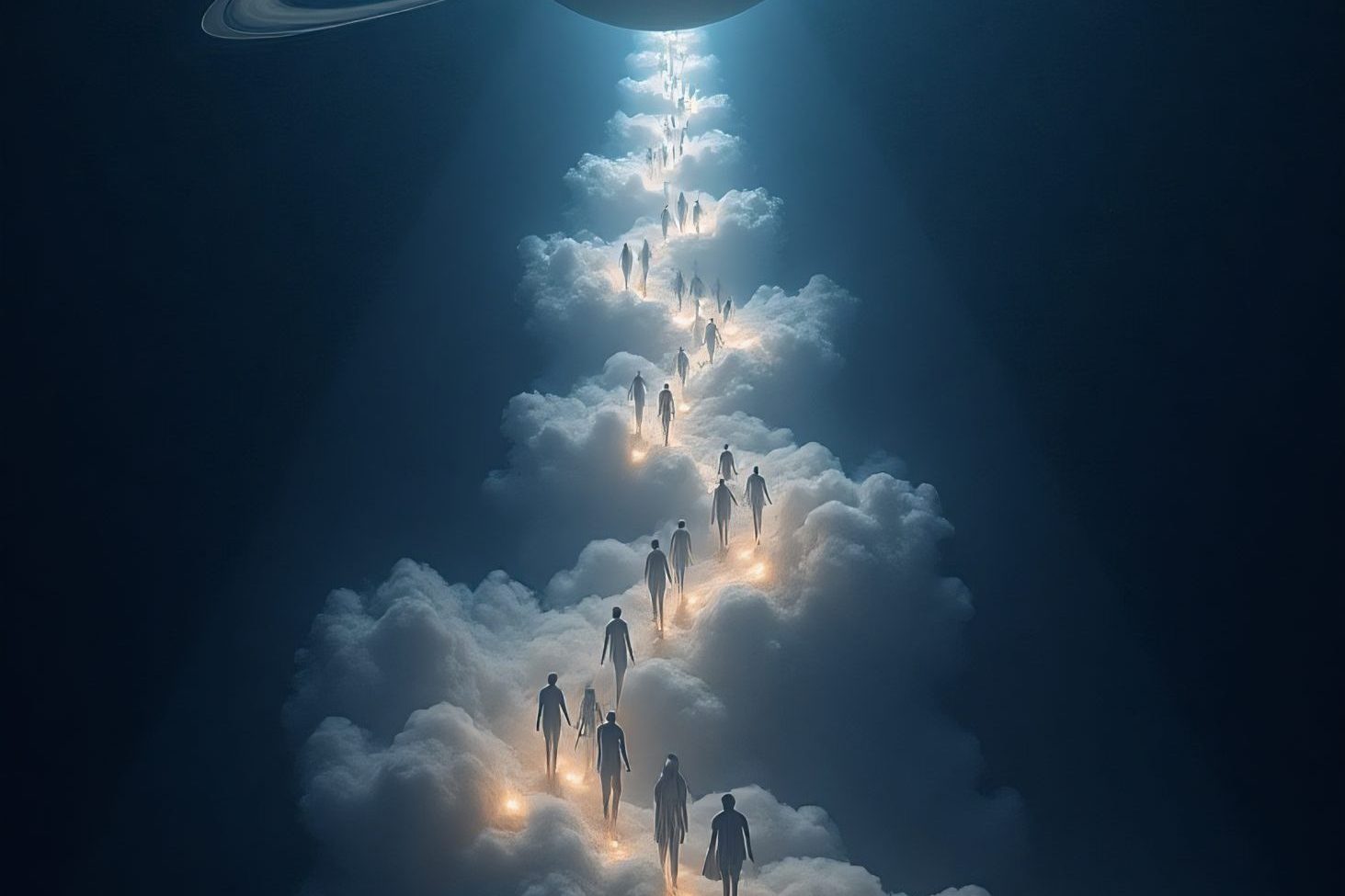
The first part of the illusion is seduction
The first part of the illusion is seduction: the bright light and the false reunion. The second part is entanglement. The Gnostics taught that after death, the soul doesn’t just drift away. Instead, it meets the archons, who act as gatekeepers. These beings question, judge, and weigh the soul, not to help it break free, but to tie it more tightly to the cycle. You may have heard of a life review. Many near-death experiences describe seeing their actions replayed and being told they need to learn more lessons. But who is running this review? The Gnostics said this judgment doesn’t come from the true source, but from the false rulers of this world. Even if it feels like it comes from within, it’s still part of the illusion. By making the soul believe it failed and must return to fix mistakes, the archons keep the cycle going.
Maybe real hell isn’t fire and torment, but coming back to Earth over and over, never truly moving on. It’s like a cosmic courtroom where the judge, jury, and prosecutor are all on the same side. You’re made to feel guilty, sent back, and told it’s for your growth, when really it’s for their control.
As for karma, the Gnostics saw it not as divine justice, but as programming, a set of cords that pull the soul back into the physical world. Every action creates echoes, but the system is set up to keep you stuck in those echoes, repeating the same patterns. It looks like a school, but it’s really a cage. This is a big difference from other traditions. Hinduism and Buddhism teach that reincarnation is a path to learning and, eventually, freedom.
But the Gnostics turned things upside down. They saw reincarnation itself as the problem. Liberation doesn’t come from playing the game well, but from refusing to play at all. That’s why they talked about remembering secret words, hidden names, and divine seals—mystical passwords that let the awakened soul get past the archons.
The first apocalypse of James describes how, when meeting these rulers, the soul shouldn’t cower but should declare its origin in the realms of light. Only then can it rise beyond their reach. Here’s the paradox: the cycle keeps going because of ignorance, but the key is remembering. The more you identify with your roles, your body, your personality, and your history, the easier it is to be recycled. But when you remember your essence comes from beyond the stars, beyond the demiurge’s domain, the illusion starts to fade and fall apart. How many times have you felt déjà vu, as if you’ve lived this life before? How many times have you sensed the world itself is scripted, looping?
Are those feelings of déjà vu or strange memories just glitches, or are they signs of the cycle and the trap? The real question isn’t just about the trap itself, but how to escape it.
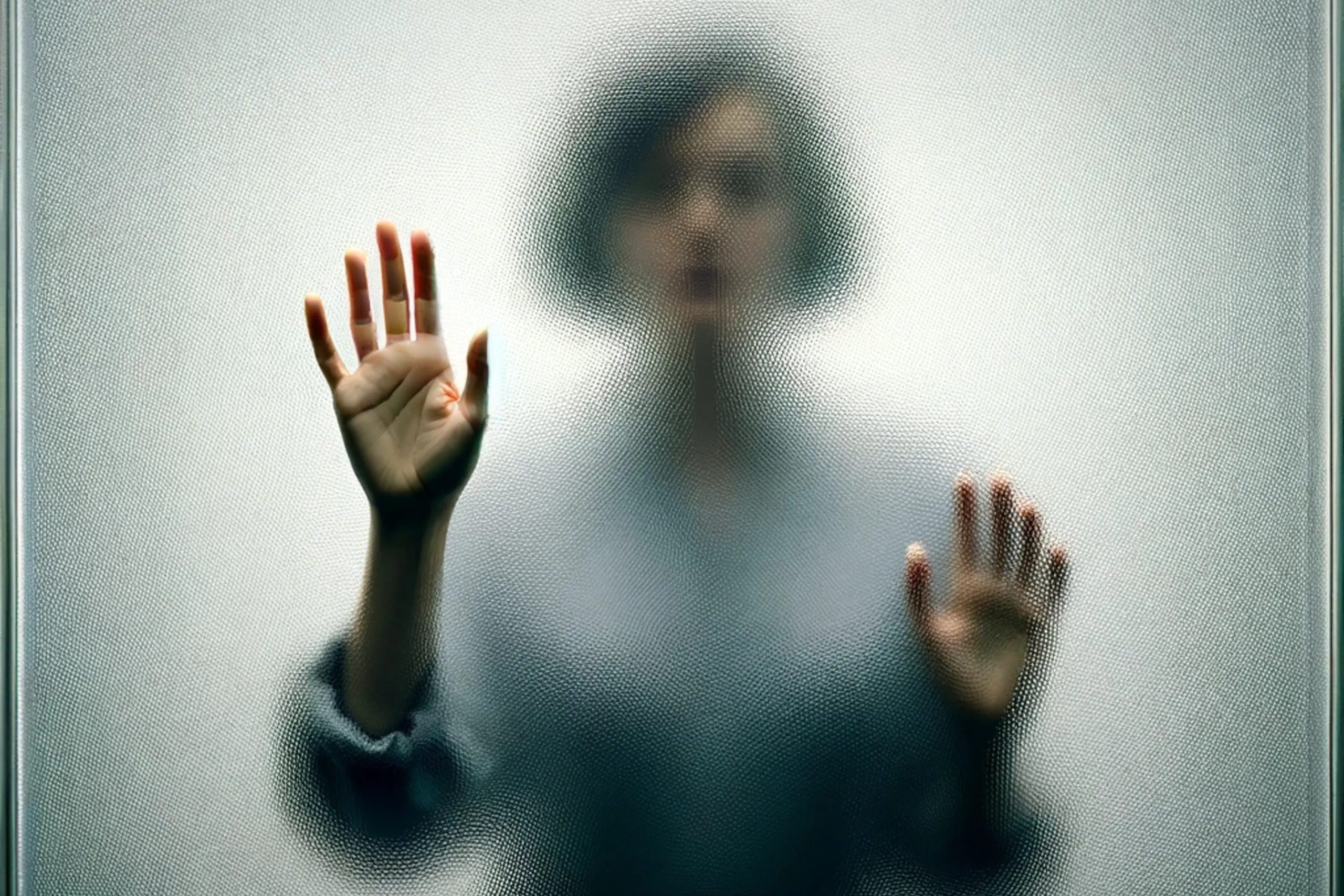
How can someone who is awake face death without being pulled back in?
How can someone who is awake face death without being pulled back in? The Gnostics thought this was their most important lesson. If the demiurge’s trap is real, if death leads to recycling, what can you actually do? The Gnostics didn’t want this knowledge to be just a theory. It was meant to guide people who are ready to wake up. Who am I beyond this body, beyond my story, beyond my roles? Each time you let go of a layer, the trap gets weaker. The demiurge can only bind what identifies with form, labels, fears, and desires. That’s why the Gnostics spoke of gnosis, direct inner knowing, meditation, prayer, deep thought, and moments of silent awareness. These weren’t empty rituals, but training for the soul. When you learn to stay present, you’re less likely to be fooled by illusions later.
Here’s something you can try
Here’s something you can try: next time you close your eyes, picture the tunnel of light and notice how it feels. Listen for any voices. Then ask yourself, “Is this the true light or just a projection?” Practice telling the difference between what dazzles and what truly awakens you, between what demands and what sets you free. This inner practice helps you remember, which may help when the time comes. The Gnostics also talked about passwords and seals as symbols of inner authority. You might not need real secret words, but you do need to recognize your true nature. Know that you are a child of the infinite source, not a subject of the demiurge. Know that you belong to the Pleroma, not the prison. Holding onto this recognition is important. Live as if you are already free from the trap. Let go of fear and the need for others’ approval. Practice letting go of attachments and letting illusions fade. Remember, your true self can’t be harmed. When you live this way, your life changes. You stop fearing death because you see it as just another mask. You stop clinging to reincarnation as a path to growth and start to feel free now. The Gnostic path isn’t about escaping the world in despair, but about seeing through it clearly. Every moment of awareness is a crack in the cage. Every act of remembering is a step beyond the cycle.
So keep asking yourself: Would I recognize the false light? Would I walk into it, or look beyond? Don’t answer once and forget. Carry this question with you. Let it shape your life, your choices, and your vision. The training ground for freedom isn’t in the future; it’s right now, even as you read this.
The Soul’s Choice is here to help you sharpen your awareness
The Soul’s Choice is here to help you sharpen your awareness and step outside the illusions of this world. For centuries, people have been told that death leads to either heaven or hell. But the Gnostics held a more liberating view: both are illusions meant to draw the soul back into the cycle. We’ve followed their ancient teachings from hidden texts in desert caves to the quiet warnings of mystics who wouldn’t bow to the rulers of this world. We’ve looked at the illusion, the false light, cosmic judgment, the endless wheel of karma, and how awareness, remembrance, and inner gnosis are the keys to freedom. But as the Gnostics remind us, no one can walk this path for you. No priest, guru, or belief system can break the cycle. Only your own awakened recognition can pierce the veil.
The real question isn’t what happens after death, but who you will be when it comes. Will you follow the comforting voices without question, or will you pause and remember? Will you step into the light of illusion, or seek the higher radiance beyond it? Maybe the way you live, the choices you make, and the awareness you build each day all matter in whether your soul is fooled by the false light. Because a soul that remembers can’t be trapped. A soul that wakes up can’t be deceived. And maybe that’s the biggest secret of all. The prison has never been stronger than your own attention. The moment you turn it inward, the walls start to fall.
Death isn’t the end or the beginning. It’s a test.
Death isn’t the end or the beginning. It’s a test. The key has always been inside you. To remember is to wake up. To forget is to return again and again until your soul remembers its truth. If this message spoke to you, share your thoughts in the comments. What do you think waits beyond the veil? Stay aware, and ask yourself: when the light appears, will you remember? The journey doesn’t end at the grave. What comes next is a test of memory, courage, and recognition. Those who keep the spark inside will make it through.
Resources:
The Gnostic Eye, (Sept 26, 2025), The Demiurge’s Reincarnation Trap: Gnostic Warning About Death,https://www.youtube.com/watch?v=SD6m9DrH2og&list=PLuvG1nign7zLdJcacIikiYAkh-2C1mOHm&index=28